

Spinal Fusion
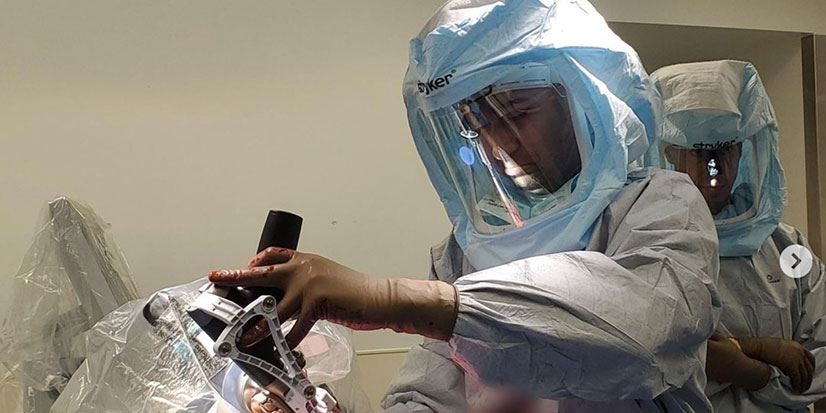
For patients living with severe back or neck pain, nerve compression, or spinal instability, even simple movements can be excruciating. Spinal fusion surgery offers the possibility of lasting pain relief, restored stability of the spine, and the chance to again enjoy the life you've built. At Hoag Orthopedic Institute, our fellowship-trained orthopedic surgeons and neurosurgeons are specially trained in complex spine procedures including spinal fusion procedures. From the most minimally invasive and robotic surgery techniques, to the most complex of cases, HOI spine surgeons have the expertise to get you back to doing what you love.
What is Spinal Fusion?
Spinal fusion is a surgical procedure that can repair injuries and conditions of the bones (vertebrae) of the back (spine). Spinal fusion procedures stabilize the spine by fusing together two or more vertebrae, using bone grafts, metal rods, and screws.
Spinal fusion can correct debilitating conditions, such as:
- Injuries to spinal vertebrae
- Abnormal curvatures of the spine, such as scoliosis or kyphosis
- Weakness or instability of the spine caused by infections or tumors
- Degenerative disorders that damage spinal discs and joints
- Slipped or herniated disc
- Severe spinal arthritis
Spinal fusion surgery eliminates motion between vertebral segments, removing a significant source of back pain. The surgery also halts the progression of spinal deformity, such as scoliosis. Most spinal fusions target only small segments of the spine and do not significantly limit motion.
Conditions That Spinal Fusion Treats
Your spine specialist may recommend spinal fusion to treat and repair the effects of severe spine conditions that cause pain, weakness, or instability, such as:
- Severe, unrelenting back or neck pain that no longer responds to therapy or medications
- Spinal fractures that make the spine unstable or put pressure on the nerves
- Spinal nerve compression causing pain, numbness, or weakness that radiates into the arms or legs
- Progressive spinal deformity that makes it difficult to stand straight or move comfortably
- Spinal instability that leaves you unsteady when walking or even standing
- Loss of mobility and independence that prevents you from working, exercising, or enjoying daily life

Why Choose Hoag Orthopedic Institute for Your Spinal Fusion Surgery
At Hoag Orthopedic Institute, you’ll find board-certified, fellowship-trained spine surgeons working in state-of-the-art operating rooms, supported by a team of orthopedic certified nurses, surgical technicians, physical therapists, and educators. Our specialists are highly regarded nationwide for their expertise in spinal fusion procedures and their commitment to patient-centered care.
Frequently Asked Questions
-
Your first visit to Hoag Orthopedic Institute is a chance for you and your spine specialist to get a complete picture of your current back health and goals for recovery. You’ll meet with a board-certified, fellowship-trained back doctor who will listen to your concerns, review any prior imaging or test results, and ask detailed questions about your symptoms and lifestyle. A detailed physical exam may follow to assess your range of motion, strength, and nerve function.
Your back specialist may recommend advanced imaging or additional diagnostic tests available onsite. Together, you’ll discuss what’s causing your pain or mobility limitations and review both non-surgical and surgical treatment options. You’ll leave with a clear and personalized plan designed for your specific needs—and a team ready to support you through each step of your care.
-
You can connect with one of our qualified spine specialists to review your symptoms, discuss any existing test results, and explore your back treatment options. To schedule your appointment, simply call our scheduling team at (949) 890-0464 or complete the secure request form on our website.
We’ll connect you with the right back doctor for your needs and can help arrange imaging or records before your visit. From the start, you’ll have access to advanced diagnostics and the latest treatments—including the latest techniques for minimally invasive procedures—tailored to your condition and goals.
-
At Hoag Orthopedic Institute, our highly qualified physical therapists, back doctors, and spine surgeons work together to treat a broad range of spine conditions. These include addressing herniated discs, relieving spinal stenosis, and managing degenerative disc disease and scoliosis. Conservative treatments often include targeted physical therapy, image-guided injections to relieve nerve pain, or medications to reduce inflammation.
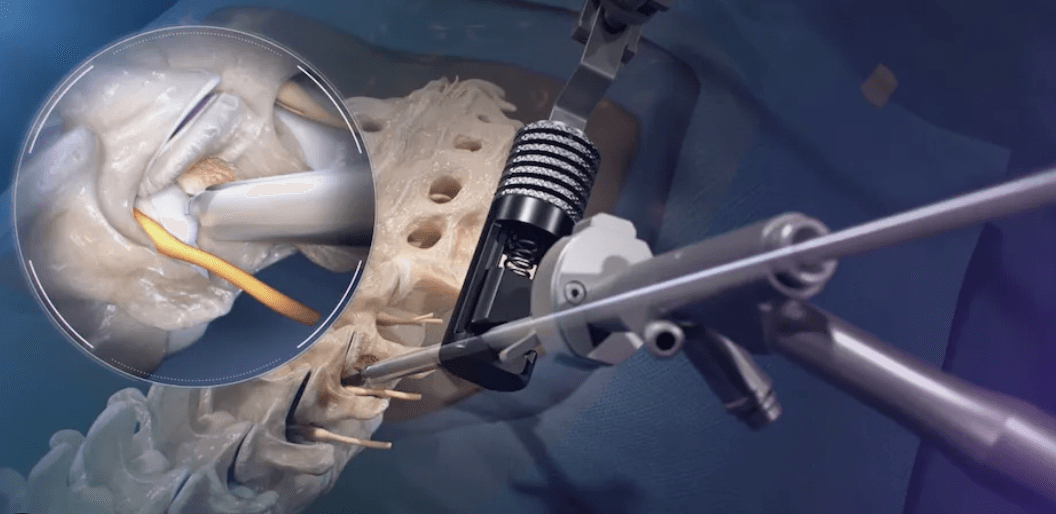
When surgery is your most effective option, our spine specialists perform procedures including spinal decompression to free compressed nerves, spinal fusion to stabilize the spine, and disc replacement to maintain mobility. Many operations are performed using minimally invasive or robotic-assisted techniques, which combine advanced imaging with precise instrument control to protect surrounding tissues and support a smoother recovery. Our back specialists devise a custom spine plan for each patient, designed to relieve pain, restore function, and help them return to active, pain-free living.
-
Hoag Orthopedic Institute offers expert care from fellowship-trained, board-certified orthopedic spine surgeons, back doctors, and spine specialists who are leaders in their field. Our team also utilizes advanced techniques such as robotic-assisted spine surgery—providing greater surgical planning, accuracy, steadier instrument control, and less disruption to healthy structures for a smoother recovery.
Exceptional technology and an excellent surgical outcome form just part of your experience with our specialized back care. Your orthopedic spine doctor will focus on your total well-being, creating a personalized treatment plan—surgical or non-surgical—to help you move without pain and regain function. From diagnosis through recovery, we’re committed to getting you back to the lifestyle you love, free from the limitations of back pain or dysfunction.

.2510151138550.jpg)