

Scoliosis
About Scoliosis
Scoliosis is defined most traditionally as a lateral deviation or sideways curvature of the spine. In reality, scoliosis is actually a three-dimensional problem, with abnormalities of the rotation of the spine in the coronal (front), sagittal (side), and axial planes. Scoliosis is a fairly common diagnosis, and can present in infancy, childhood, adolescence, or develop as a result of disc degeneration in older adults. While scoliosis can be caused by conditions such as cerebral palsy and muscular dystrophy, the cause of most scoliosis is unknown. This may change in the future, as research is ongoing as to the mechanisms that lead to “idiopathic” scoliosis – no other identifiable reason.
Symptoms of Scoliosis
Most cases of scoliosis are mild, but some spinal deformities worsen as children continue to grow. Severe scoliosis can be disabling. Patients with scoliosis may notice that their shoulders or hips are uneven, skin folds are asymmetric, their head is not centered over their pelvis, or that clothes fit awkwardly or hang unevenly. Typically, scoliosis by itself is not painful, and patients with more than mild back pain often have another diagnosis for pain.
Signs and symptoms of scoliosis may include:

Scoliosis at a Glance
Scoliosis is an abnormal sideways curve of the spine that can affect posture, balance and, in severe cases, breathing or movement.
- Symptoms include: Uneven shoulders, back pain or one side of the rib cage, shoulder blade or hip higher than the other.
- Causes include: Most scoliosis is idiopathic, meaning it has no known cause. Some cases result from abnormal spinal development, neuromuscular disorders or age-related spinal degeneration.
- Is surgery always needed? Many people with scoliosis require only monitoring, while more severe curves may need bracing or surgery.
- When to see an orthopedic specialist: If scoliosis symptoms are severe, worsening, persistent or limiting daily activities.
Find a spine surgeon that treats scoliosis at (949) 890-0464.
What Our Patients Say
-
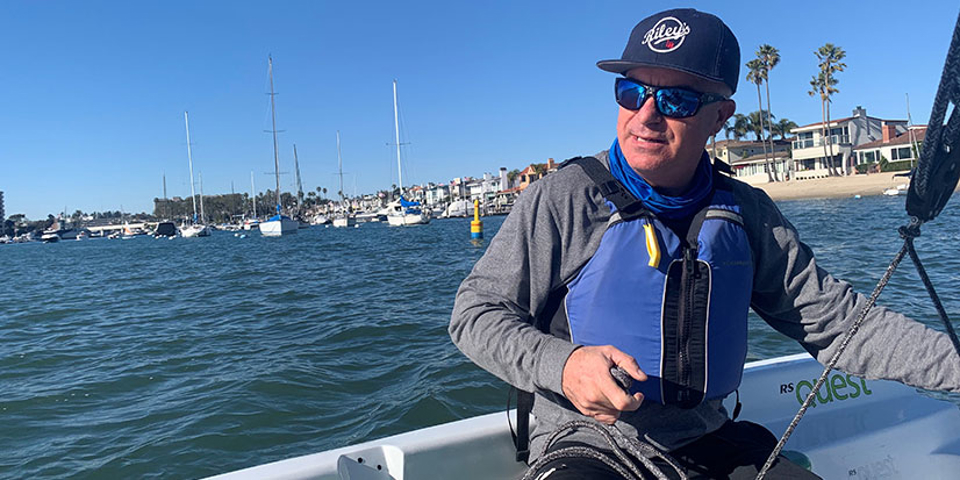 Back to Sailing Spine
Hoag employee and recent Long Beach Fire Captain retiree James Owen has always been active in water ...
View Story -
 Back to Hiking Outdoors After Spine Surgery Spine
Terry Lee Hester loves the outdoors and being active, whether it’s hiking, Half Marathons, 10Ks, or ...
View Story -
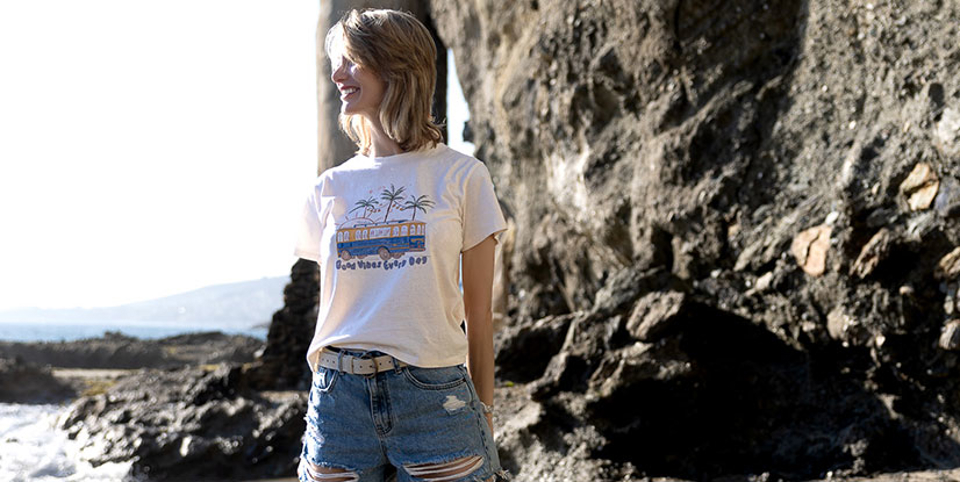 Back to the Beach and Gym After Scoliosis Surgery Spine
Graphic artist Nadia Watts was diagnosed with scoliosis as a young child, but the pain and ...
View Story -
 Back to Driving Spine
Procedure: Complex Spinal Surgery Watching TV, taking long walks, getting up out of a chair, driving ...
View Story -
 Enjoying Life Again After Spine Surgery Spine
Procedure: Spinal fusion Jonathan Dibiasi and his family love spending time at their cabin in ...
View Story -
 Running Again After Spine Surgery Spine
“I can’t believe I’m walking, let alone running,” says car crash survivor, seven-time marathon ...
View Story -
 Back to Savoring Every Day Spine
Procedures: Spinal Surgery: January 16, 2017; Right Wrist Fusion: January 12, 2018 Lynn Anderson, ...
View Story -
 Back to Painting Spine
Procedure : Multi-level Spinal Fusion At age 69, lifelong professional artist Professor Alan Burner ...
View Story -
 Back to Wearing Cowboy Boots Spine
For two years, Sally Greer spent most of her time on her couch, and gained 130 pounds in the ...
View Story -
 Back to Being Healthy Spine
I would like to get a message to a couple of your staff members and their supervisor. I had lumbar ...
View Story -
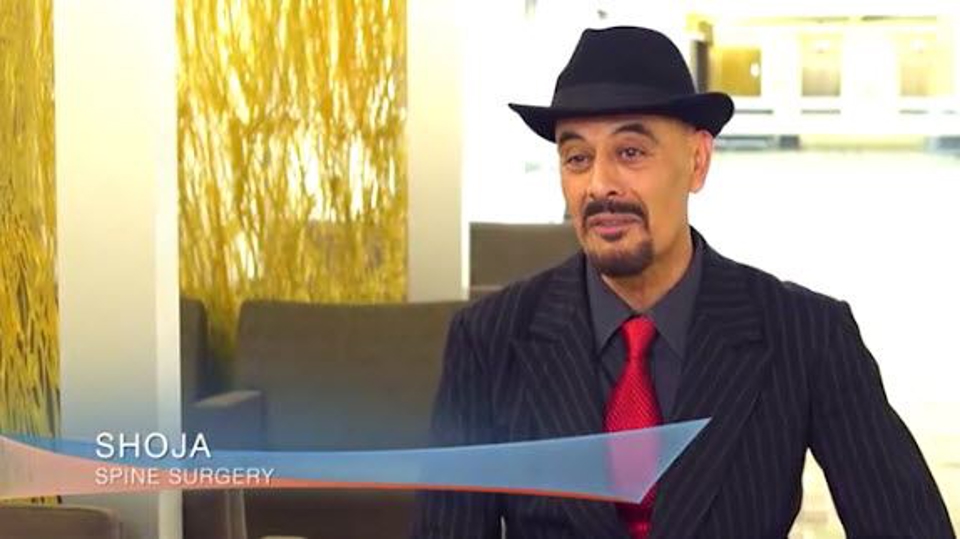 Back to Dance After Spine Surgery Spine
For the past decade, Irvine aerospace engineer Shoja’s zest for life led him to grace many dance ...
View Story -
Back to a Better Life Spine
I had spine surgery by Dr. Richard Lee on January 3rd. It appears to have been been successful and ...
View Story -
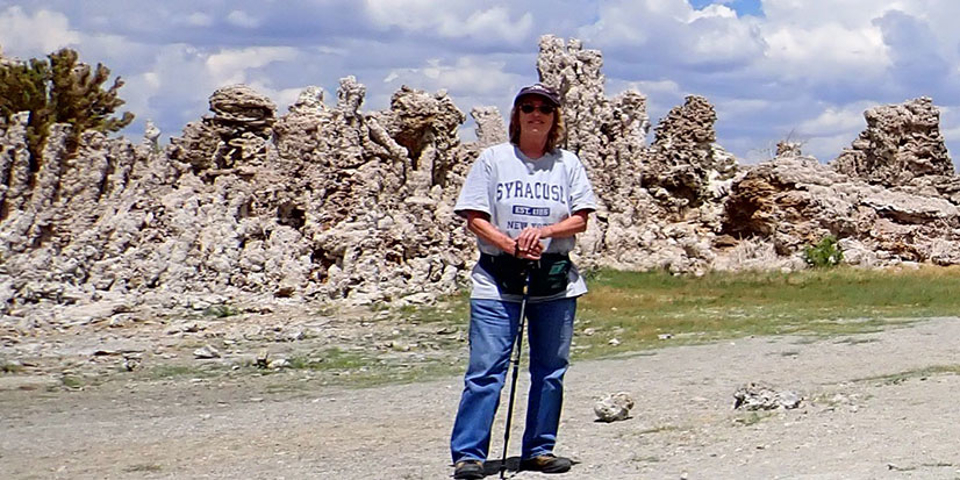 Back to Walking After Spine Surgery Spine
An avid walker from Laguna Beach, Cheri Aiken was always walking somewhere, whether around her ...
View Story


.2510151138550.jpg)