

Herniated Disc
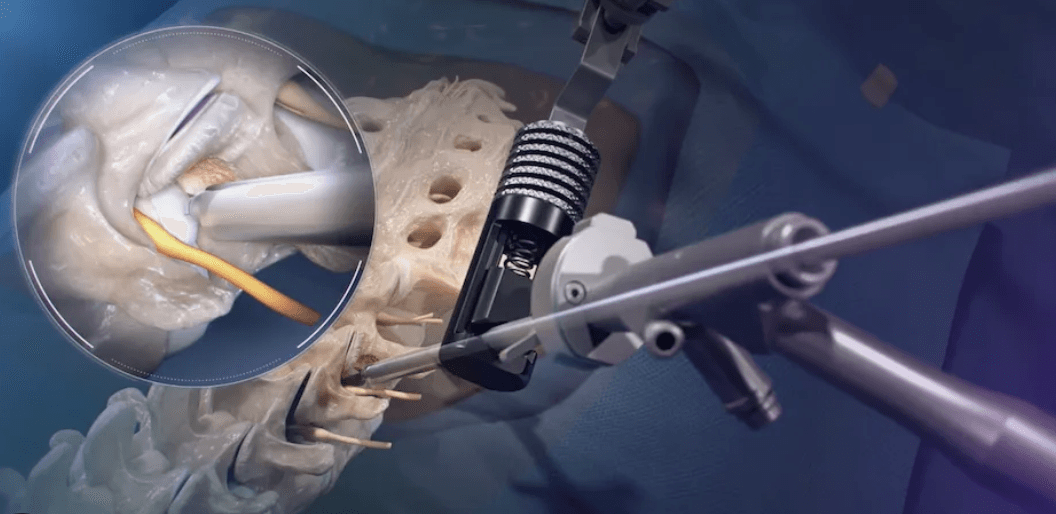
A herniated disc occurs when the soft inner portion of a spinal disc begins to push against the outer ring of the disc. In some cases, this inner portion can herniate through the outer ring, inflame spinal nerves, and place pressure on surrounding nerves that results in pain, numbness, and weakness. A herniated disc most commonly affects the lower back (lumbar).
Hoag Orthopedic Institute's board certified and fellowship trained spine surgeons work closely with patients to help them find the treatment plan that's right for them, which may include physical therapy or minimally invasive spine surgery.
What is a Herniated Disc?
Sometimes referred to as a slipped disc or ruptured disc, a herniated disc can be caused by sudden injury, but it is most often caused by the natural aging and deterioration of the spine (degenerative disc disease). People with a herniated disc will experience lower back pain which may progress into pain or numbness that extends from the lower back through your hips and buttocks and down each leg (sciatica).
Diagnosing and Treating a Herniated Disc
Because we take a comprehensive approach to patient care, our spine doctors focus on detailed evaluations that examine a patient’s unique medical history and symptoms. Following initial examinations, we then use advanced imaging tools to confirm a diagnosis and determine the severity of disc herniation.
While many patients can find relief and improved mobility with conservative (non-surgical) treatment, others may continue to experience severe pain and neurological deficits that create limitations on their ability to handle daily activities, such as walking. When this is the case, surgery may become an option.

Herniated Disc at a Glance
A herniated disc, sometimes called a slipped disc, occurs when the soft shock-absorbing center of a spinal disc pushes through a tear in its outer layer. It can cause pain, numbness or weakness if it presses on a nerve.
- Symptoms include: Back or neck pain, numbness, tingling or weakness that may radiate into an arm or leg.
- Causes include: Age-related disc changes, heavy lifting, repetitive strain or sudden injuries.
- Treatment Options: Many herniated discs improve without surgery, especially with early conservative treatment.
- When to see an orthopedic specialist: If slipped disc symptoms are severe, persistent, worsening or limiting daily activities.
Learn more about your treatment options. View our physician directory to find a spine doctor.

.2510151138550.jpg)