

Non-Operative Options for Back Pain
Hoag Orthopedic Institute’s team of highly trained spine experts are committed to providing patients with high quality, evidence-based treatments. We offer a variety of therapies with the intention of “getting you back to you” in the most expeditious, conservative manner possible. Our multidisciplinary team is comprised of Orange County’s top spine experts that include fellowship-trained spinal surgeons, physiatrists, and physical therapists.
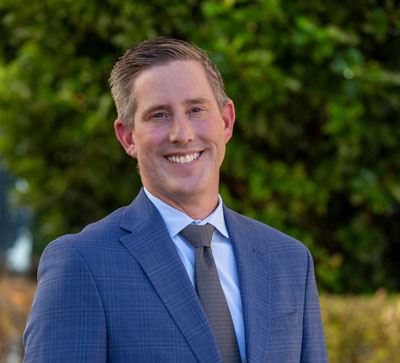
"When patients come in for an evaluation at Hoag Orthopedic Institute, we are looking comprehensively at the patient to ensure they receive the optimal course of treatment,” shared Jeremy Smith, MD, Division Chief of Spine Surgery at HOI.
“Non-operative methods are routinely the first line of treatment. If surgery is later indicated, we utilize the most up-to-date and advanced technology that helps guide and optimize the surgical approach in the most minimally invasive way, all while ensuring we maximize the safety of the patient.”
Non-operative Treatments Offered at HOI
Most spinal conditions can be treated non-surgically and will respond well to aggressive conservative care. Hoag Orthopedic Institution physicians assess each patient individually and determine what approach would best address their pain. That may be surgery, spinal injections, aggressive physical therapy or a cognitive behavioral approach. We have developed our own physical therapy program, HOI’s Back to You program with ProSport and SCAR, which emphasizes spinal strengthening and measurable outcomes. This allows the patient to follow their progress. Our goal is to help you understand your sore back, improve your functional mobility, decrease any fears associated with movement, and decrease flair-ups. Typically, as one becomes stronger, they become more functional, have less pain, and can return to their favorite activities.
When to seek help?
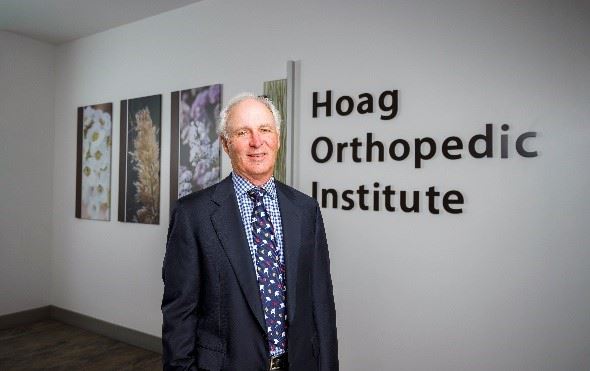
“Most back pain will resolve after a few days. If you have more than several weeks of ongoing pain, I would recommend seeking help from a physiatrist or your primary care physician. Prompt treatment may prevent a short-term problem from becoming a long-term one.” –Mark Hambly, MD, HOI Conservative Spine Program Director and retired spine surgeon.
By better understanding your back pain, you can better manage it. There are multiple options to treating back pain when surgery is not indicated.
![Hoi Surgeons 11[1]](/images/hoi-surgeons-11[1].2306080632507.jpg) Physiatrists are medical doctors who specialize in physical medicine and rehabilitation. They will order the appropriate testing and imaging. Physiatrists treat patients with injections and other minimally invasive modalities.
Physiatrists are medical doctors who specialize in physical medicine and rehabilitation. They will order the appropriate testing and imaging. Physiatrists treat patients with injections and other minimally invasive modalities. 
Find a Back and Spine Specialist
To consult with one of our board-certified spine surgeons or pain management specialists at Hoag Orthopedic Institute, please call us at (949) 890-0464 or visit our physician directory.
Frequently Asked Questions
-
Your first visit to Hoag Orthopedic Institute is a chance for you and your spine specialist to get a complete picture of your current back health and goals for recovery. You’ll meet with a board-certified, fellowship-trained back doctor who will listen to your concerns, review any prior imaging or test results, and ask detailed questions about your symptoms and lifestyle. A detailed physical exam may follow to assess your range of motion, strength, and nerve function.
Your back specialist may recommend advanced imaging or additional diagnostic tests available onsite. Together, you’ll discuss what’s causing your pain or mobility limitations and review both non-surgical and surgical treatment options. You’ll leave with a clear and personalized plan designed for your specific needs—and a team ready to support you through each step of your care.
-
You can connect with one of our qualified spine specialists to review your symptoms, discuss any existing test results, and explore your back treatment options. To schedule your appointment, simply call our scheduling team at (949) 890-0464 or complete the secure request form on our website.
We’ll connect you with the right back doctor for your needs and can help arrange imaging or records before your visit. From the start, you’ll have access to advanced diagnostics and the latest treatments—including the latest techniques for minimally invasive procedures—tailored to your condition and goals.
-
At Hoag Orthopedic Institute, our highly qualified physical therapists, back doctors, and spine surgeons work together to treat a broad range of spine conditions. These include addressing herniated discs, relieving spinal stenosis, and managing degenerative disc disease and scoliosis. Conservative treatments often include targeted physical therapy, image-guided injections to relieve nerve pain, or medications to reduce inflammation.
When surgery is your most effective option, our spine specialists perform procedures including spinal decompression to free compressed nerves, spinal fusion to stabilize the spine, and disc replacement to maintain mobility. Many operations are performed using minimally invasive or robotic-assisted techniques, which combine advanced imaging with precise instrument control to protect surrounding tissues and support a smoother recovery. Our back specialists devise a custom spine plan for each patient, designed to relieve pain, restore function, and help them return to active, pain-free living.
-
Hoag Orthopedic Institute offers expert care from fellowship-trained, board-certified orthopedic spine surgeons, back doctors, and spine specialists who are leaders in their field. Our team also utilizes advanced techniques such as robotic-assisted spine surgery—providing greater surgical planning, accuracy, steadier instrument control, and less disruption to healthy structures for a smoother recovery.
Exceptional technology and an excellent surgical outcome form just part of your experience with our specialized back care. Your orthopedic spine doctor will focus on your total well-being, creating a personalized treatment plan—surgical or non-surgical—to help you move without pain and regain function. From diagnosis through recovery, we’re committed to getting you back to the lifestyle you love, free from the limitations of back pain or dysfunction.

.2510151138550.jpg)