

Back & Spine Surgery
Back and spine surgery treats conditions that cause chronic back pain, nerve compression, spinal instability or loss of mobility when nonsurgical care is not enough. Surgery can relieve pressure on nerves, stabilize the spine and repair or correct structural damage. Hoag Orthopedic Institute’s board-certified, fellowship-trained spine surgeons provide advanced surgical care as part of a comprehensive approach to back problems and spine treatments, helping patients relieve pain, preserve motion, restore function and return to daily life.
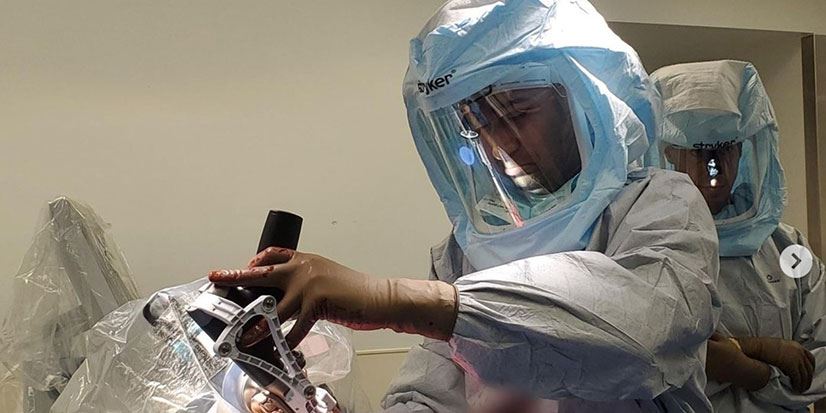
Hoag Orthopedic Institute's team of board-certified, fellowship-trained spine surgeons provide individualized, targeted care to meet each patient's needs.
Types of Back and Spine Surgeries
The spine is a complex structure — even a small injury or area of degeneration can trigger pain, weakness, or serious disruptions throughout the body. A wide range of back surgery types is available to relieve pressure, stabilize the spine, and restore strength and mobility.
Depending on your condition, back surgery may involve:
- Decompression procedures
To relieve nerve pressure caused by herniated discs, spinal stenosis, or other structural problems. These spinal operations include laminectomy, laminotomy, discectomy, and microdiscectomy. - Spinal fusion and stabilization
To repair areas of instability or deformity. Options include spinal fusion, anterior lumbar interbody fusion (ALIF), anterior cervical discectomy and fusion (ACDF), cervical fusion, and bone grafting procedures. - Disc replacement and motion-preserving techniques
Artificial disc replacement or cervical arthroplasty replaces damaged discs to relieve pain and instability while preserving the range of motion without spinal fusion. - Fracture repair and vertebral augmentation
In cases of trauma or compression fractures, procedures such as kyphoplasty can help restore spinal alignment and relieve pain. - Minimally invasive spine surgery
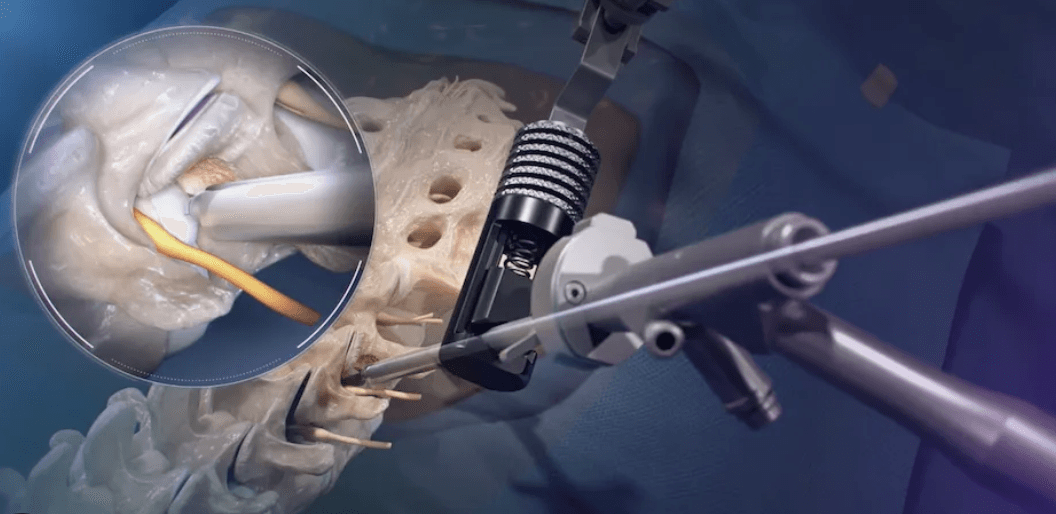
When appropriate, a minimally invasive surgical approach to back surgery reduces damage to surrounding muscle tissue and supports faster recovery.
Every spine surgery is planned with advanced imaging, diagnostic precision, and careful evaluation of your health, symptoms, goals, and spinal anatomy.

Back Surgery at a Glance
Back surgery encompasses various procedures to relieve pain, restore function, and treat structural spine issues based on the condition's location and severity.
- Used to treat: Herniated discs, spinal stenosis, spinal instability and other conditions that cause persistent pain, nerve compression or loss of function.
- What to expect: Depending on the procedure, back surgery may be performed on an outpatient basis using minimally invasive techniques or require a larger incision and a hospital stay of several days.
- Recovery typically includes: Pain management, gradual increases in activity and physical therapy when appropriate, with recovery ranging from several weeks to several months depending on the procedure.

.2510151138550.jpg)