What Causes Tailbone Pain?
The tailbone (coccyx) is made up of 3-5 small bones that can be injured by trauma during a fall or prolonged sitting on a hard surface. In some cases, tailbone pain develops from degenerative joint changes or after childbirth. Less often, underlying conditions such as spinal fractures or spinal deformities may contribute.
Symptoms of Tailbone Pain
Tailbone pain can feel like a constant, dull ache or sharp, stabbing pain that worsens when you sit, rise from a seated position, or lean back against a hard surface. Some people notice swelling or tenderness around the coccyx, making prolonged sitting uncomfortable, especially on firm surfaces.
Other possible symptoms include:
- Tailbone pain often intensifies during bowel movements or sexual activity
- Discomfort when standing for long periods
- Pain radiating into the hips, buttocks, or thighs
Tailbone pain symptoms can interfere with sleeping, exercise, and work.
When to See a Doctor for Tailbone Pain
Most cases of tailbone pain improve on their own with time and simple self-care. But you should see a doctor if:
- Pain does not improve after several weeks of home treatment.
- The pain grows worse instead of easing.
- You experience severe tailbone pain after a fall, indicating a possible fracture.
- You develop new or worsening numbness, weakness, or trouble controlling bowel or bladder function.
Prompt evaluation is critical to identifying the cause of your specific condition and ensuring you receive the right tailbone pain treatment for lasting relief.
Non-Surgical Treatments for Tailbone Pain
For effective home treatment to alleviate tailbone pain, start with:
- Use a doughnut-shaped pillow when sitting
- Apply alternating ice and heat to the affected area
- Use Tylenol or NSAID pain relievers like ibuprofen
If discomfort persists, an orthopedic surgeon may recommend the following back treatments:
- Physical therapy to relax your pelvic floor
- Gently stretching the ligaments attached to the coccyx
- Gentle manipulation by massaging the muscles attached to the tailbone
- Injections of a local anesthetic such as lidocaine
- Steroid injection to reduce inflammation
Surgery is the last resort for tailbone pain treatment, and is typically only reserved for severe cases.
Surgical Options for Tailbone Pain
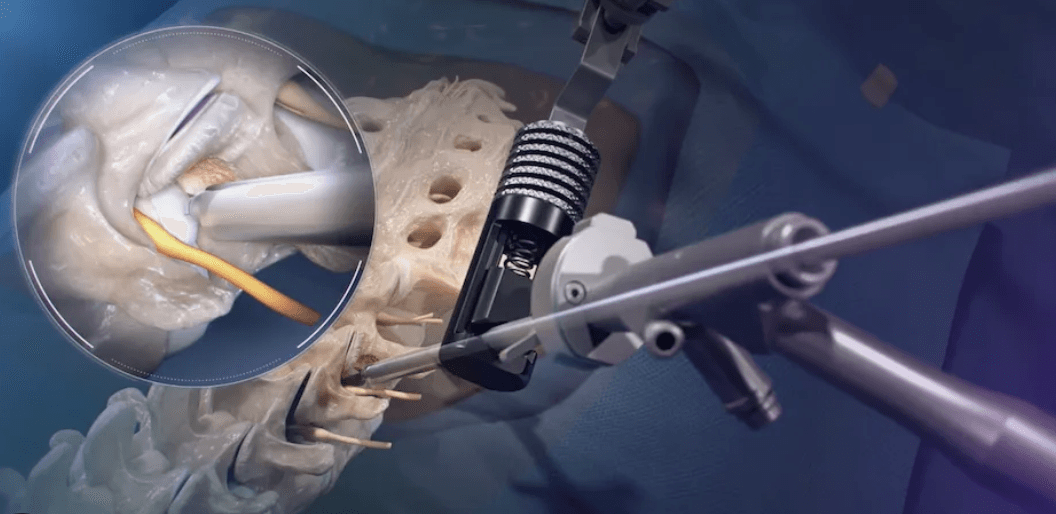
If your tailbone pain doesn’t subside, you should consult with a spine surgeon. Your orthopedist may do an exam to rule out other conditions, including checking for a fracture, degenerative conditions, or even a tumor in the tailbone area. Then, when all non-surgical tailbone pain treatments have been ruled out, a coccygectomy — removal of part or all of the tailbone — may be recommended. This procedure is designed to relieve chronic tailbone pain caused by a damaged or unstable coccyx.




.2510151138550.jpg)