Injury Prevention and Training
Screening for muscle imbalances is at the forefront of injury prevention. The rationale behind this is that there are detectable and correctable abnormalities of muscle strength and length that are fundamental to the development of almost all musculoskeletal pain and dysfunction. Detection of these abnormalities and correction before an injury has occurred should be part of any injury prevention strategy. Assessment of muscle strength and balance and regular sports massage can be beneficial in this strategy. Continue reading or contact our office to learn more.
Reduce Muscle Stiffness Through Dynamic Stretches
Muscle stiffness refers to the ratio between the change in muscle resistance and the change in muscle length. Muscle stiffness is directly related to muscle injury risk, so it is important to reduce muscle stiffness as part of a warm up. Research has indicated that only dynamic stretches – slow controlled movements through the full range of motion – decrease muscle stiffness. Static exercises did not decrease muscle stiffness. Static stretches are perhaps more appropriate for the cool down as they help to relax the muscles and increase their range of movement.
How to Treat a Trigger Point Properly
A trigger point (TP) is a thick knot in a muscle that is tender or even painful to the touch. Trigger points can be caused by training errors, inadequate preparation, worn shoes or equipment, poor biomechanics, muscle fatigue, poor flexibility, nutritional factors and even psychological factors such as a lack of sleep or stress. Treatment of a trigger point (separating the fibers of the muscle knot) can be achieved by applying direct pressure to the point for 10 to 20 seconds, gradually releasing the pressure. You should repeat this process about four or five times.
Trigger points can be an early warning for serious injuries, so checking for TPs is beneficial.
Understanding the Benefits of Resistance Training
Resistance training can fortify muscles and make them less susceptible to damage, especially if the exercises involve movements that are similar to those associated with the sport. Time should be devoted to developing the muscle groups, strength training, appropriate to the demands of your sport. If you are a thrower, then lots of time should be spent developing muscles at the front of the shoulder that increase the force with which you can throw. You must also work systematically on the muscles at the back of the shoulder, which control and stabilize the joint.
Prevent an Injury By Giving Your Body Time to Rest
There are some predictors of injury that apply to all sports. For example, fatigued muscles do a poor job of protecting their associated connective tissues, increasing the risk of damage to bone, cartilage, tendons and ligaments. If you increase your training load or train for consecutive days make sure you allow for recovery. Recovery time reduces injury rates by giving muscles and connective tissues an opportunity to restore and repair themselves between work-outs.
Here are a few more injury prevention tips:
- Avoid training when you are tired.
- Increase your consumption of carbohydrates during periods of heavy training.
- Increase in training should be matched with increases in resting.
- Any increase in training load should be preceded by an increase in strengthening.
- Treat even minor injuries very carefully to keep them from becoming a big problem.
- If you experience pain when training, STOP your training session immediately.
- Never train hard if you are stiff from the previous effort.
- Pay attention to hydration and nutrition.
- Use appropriate training surfaces.
- Make sure training and competition areas are clear of hazards.
- Make sure that equipment is appropriate and safe to use.
- Introduce new activities very gradually.
- Allow lots of time for warming up and cooling off.
- Check over training and competition courses beforehand.
- Train on different surfaces, using the right footwear.
- Shower and change immediately after the cool down.
- Aim for maximum comfort when traveling.
- Stay away from infectious areas when training or competing very hard.
- Be extremely fussy about hygiene in hot weather.
- Monitor daily for signs of fatigue. If in doubt, ease off.
-
 Returning to Boxing After Surgery Knee, Sports Medicine
"Procedure: Right Total Knee Arthroplasty When Brad retired nearly 20 years ago at age ..."
Read More -
Back to Extreme Surfing Hip, Sports Medicine
"Procedure: Anterior Approach Left Hip Arthroplasty A love for extreme sports and ..."
Read More -
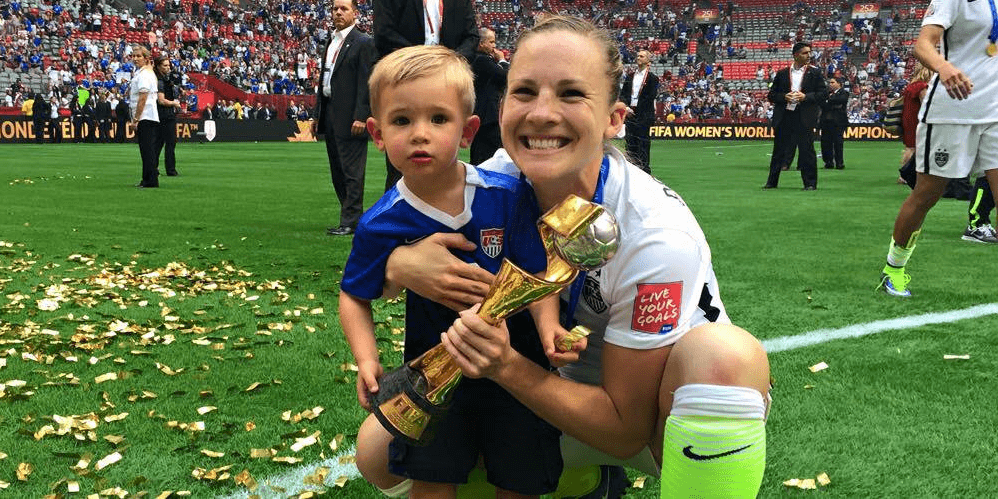
Back on the Soccer Field Sports Medicine
"She knew the seriousness of the injury the second she heard the loud, high-pitched ..."
Read More -
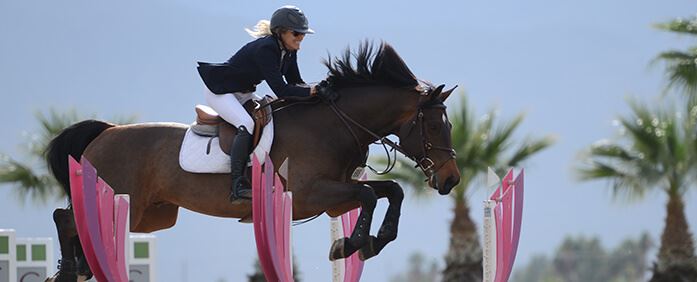
Back to Show Jumping Hand & Wrist, Sports Medicine
"Procedure: Repair of fractured left wrist It’s been eight months since Justine flew ..."
Read More -
Back to Skiing Knee, Sports Medicine
"Procedure: Simultaneous Bilateral Total Knee Arthroplasty (SBTKA) – October 2016 ..."
Read More -
Running Again After Spine Surgery Spine & Neck, Sports Medicine
"“I can’t believe I’m walking, let alone running,” says car crash survivor, seven-time ..."
Read More -
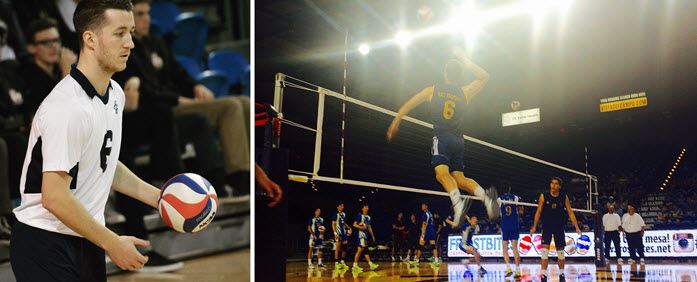
Back to Volleyball Hand & Wrist, Sports Medicine
"Procedure: Fractured Left Index Finger Repair: December 2017 “Coach, I think I broke ..."
Read More -
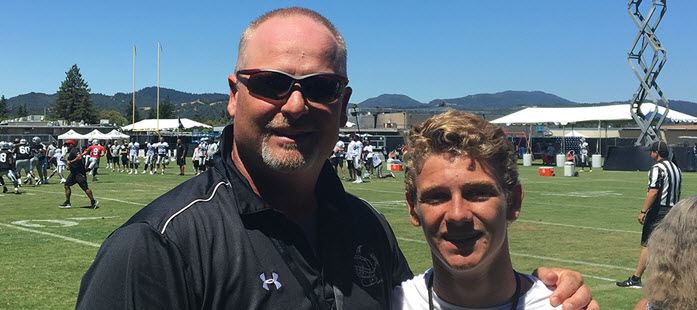
Playing Football After Wrist Fracture Hand & Wrist, Sports Medicine
"Procedure: Closed reduction, right wrist (February 2018) Scholar athlete Joey Hobert ..."
Read More -
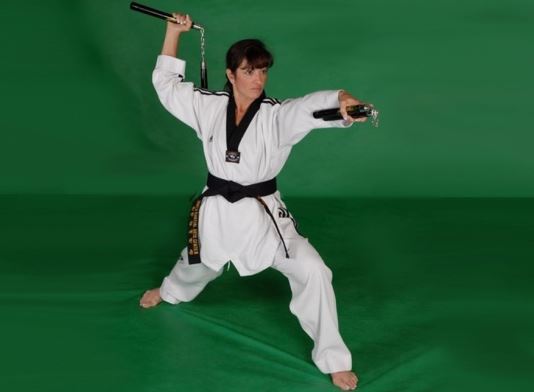
Back to Taekwondo Sports Medicine
"Rita Grahovec of Yorba Linda signed up for martial arts classes to share something in ..."
Read More -
Back to Soccer Sports Medicine
"Michael Wolitski, 21, has played soccer since he was a 3-year-old and had high ..."
Read More