

Anterior Cruciate Ligament (ACL) Reconstruction Surgery
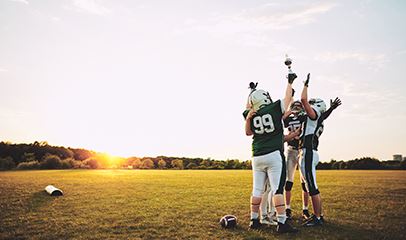
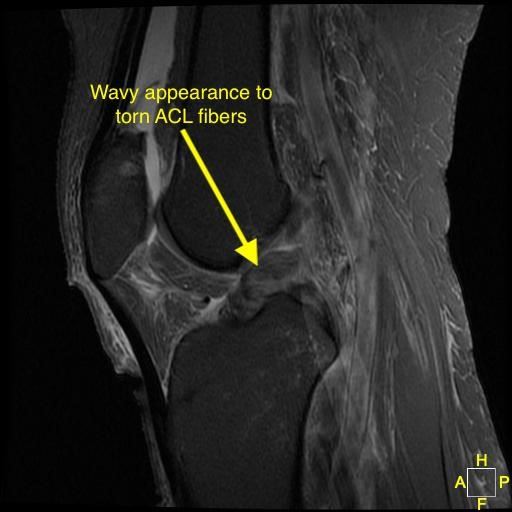
A torn Anterior cruciate ligament (ACL) is a common sports injury in high impact sports including soccer and football, which involves a “popping” sound or a “giving way” of the knee, followed by swelling.
Surgery for an Anterior Cruciate Ligament (ACL) Tear
After imaging exams confirm the diagnosis, your orthopedic surgeon will either recommend conservative treatment or ACL reconstruction surgery. Surgery is more common because the ACL will not heal completely on its own with nonsurgical treatment.
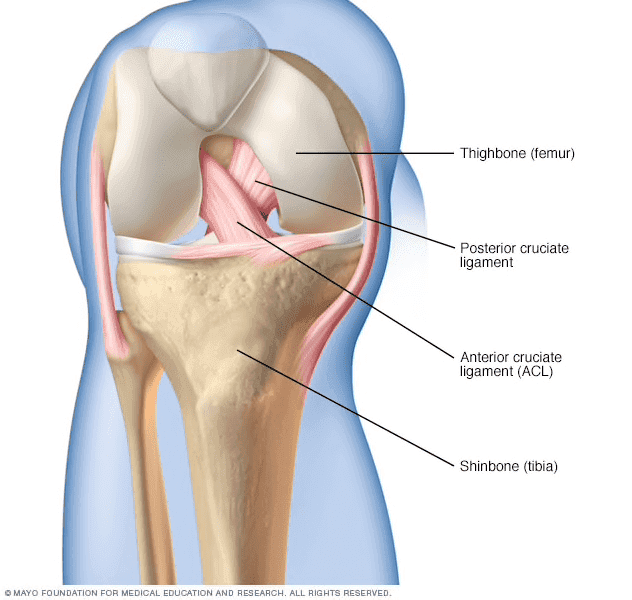
Many patients will choose to have an ACL reconstruction, because long term, continued ACL instability from the tear may cause injury to the meniscus, or result in osteoarthritis in the injured knee. The reconstruction can be performed using another tendon in the knee including from your hamstring, patellar tendon, quadriceps tendon or some type of cadaver tissue (Figure 2b), which your surgeon will use as a tissue graft that your new ligament will grow on. You and your surgeon will discuss which type of tissue is best for your ACL reconstruction.
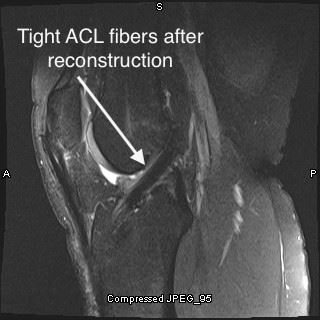
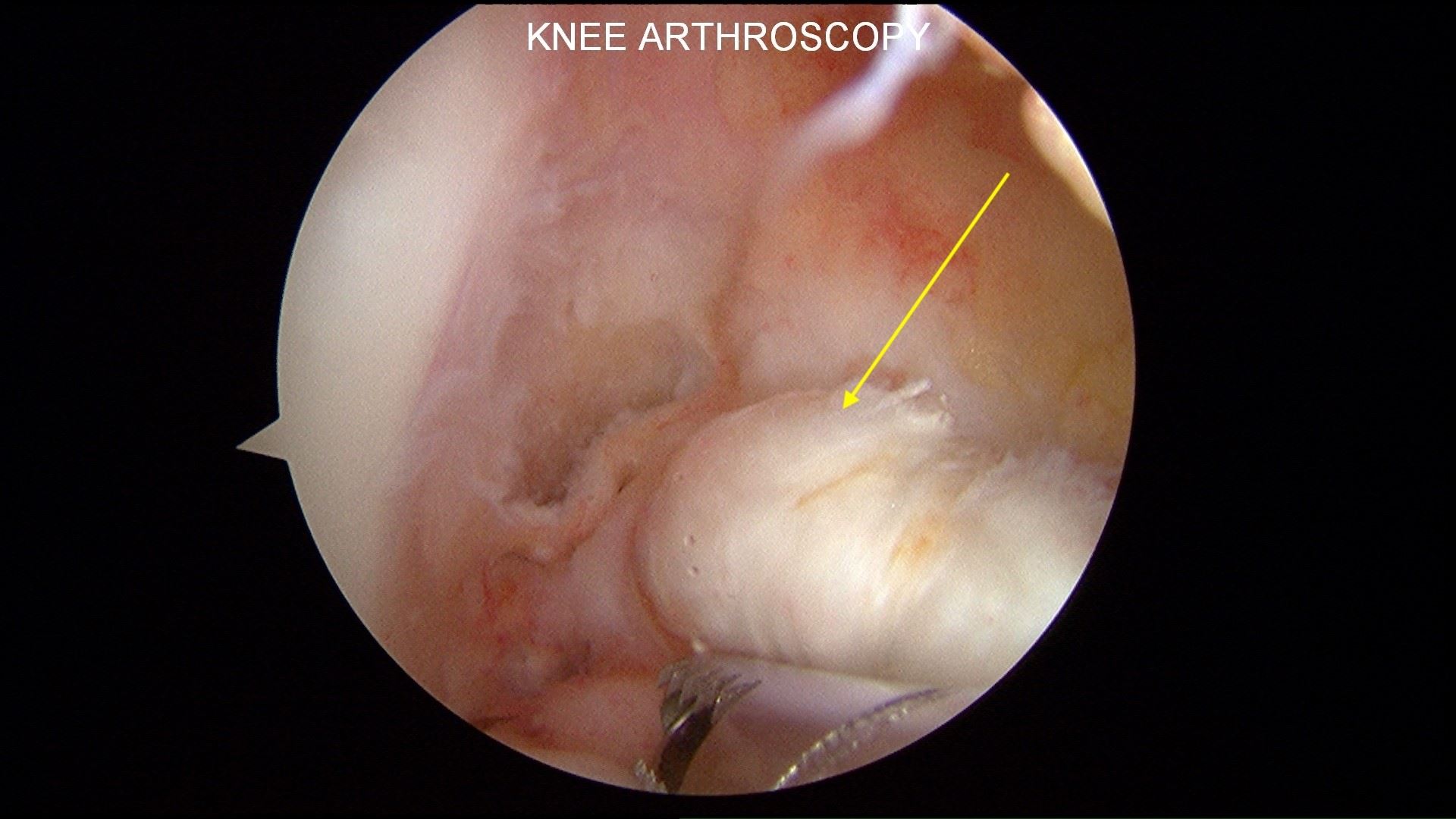
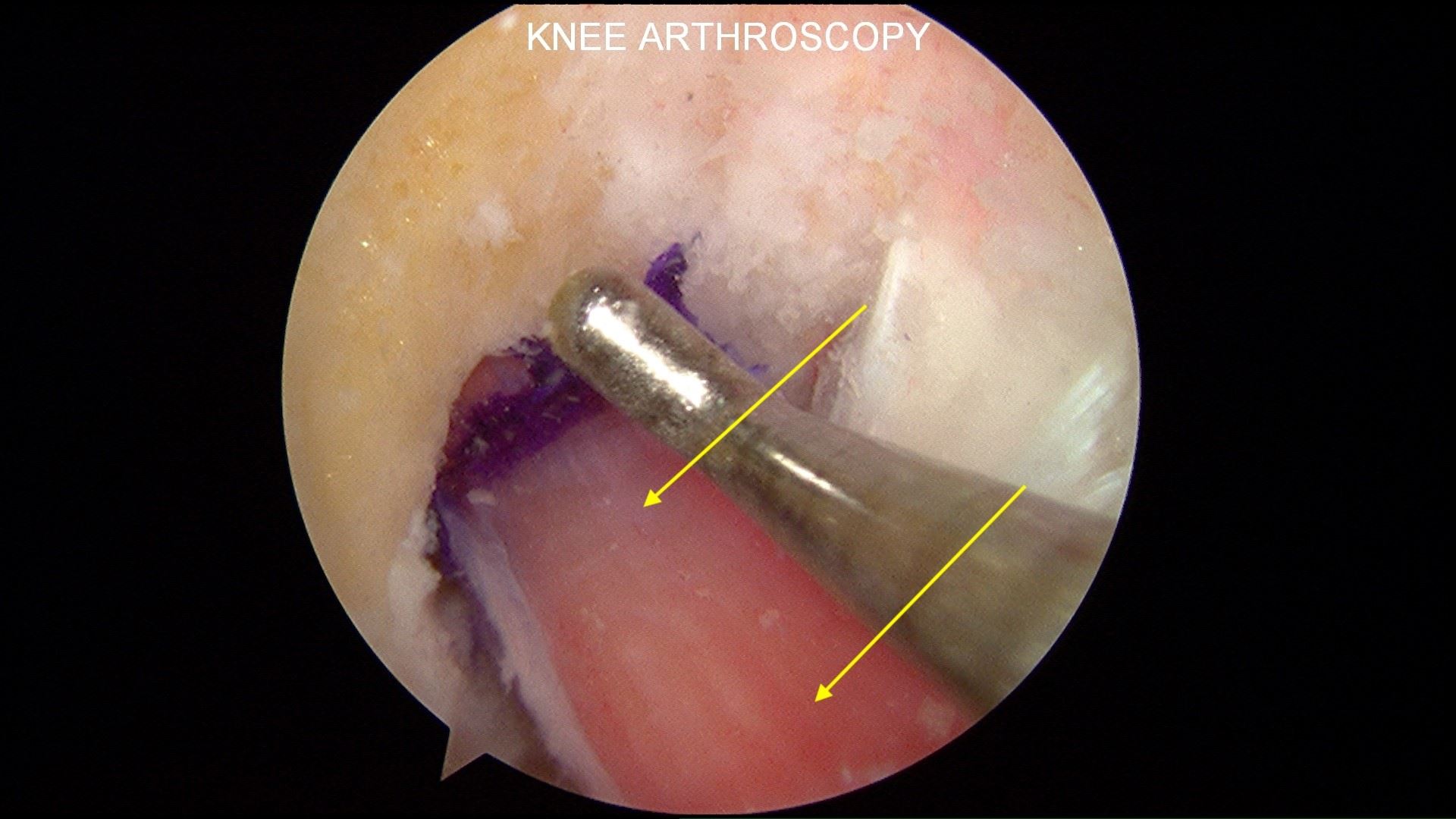

ACL Surgery at a Glance
ACL surgery is used to repair a torn anterior cruciate ligament (ACL) in the knee. It may require reconstructing the ligament with a tissue graft to restore stability and function.
- Used to treat: Severe or complete ACL tears that cause knee instability, particularly in active patients.
- What to expect: ACL reconstruction surgery is usually performed arthroscopically, replacing the damaged ligament with a graft using tissue from the patient or a donor.
- Recovery typically includes: Crutches, progressive physical therapy and a gradual resumption of activities. Returning to sports typically takes nine months or longer.
Articles Related to ACL Surgery
-
- Sports Medicine
Soccer season is underway, and youth athletes are especially susceptible to muscle strains and sprains. Soccer demands sprinting, stopping on a dime, ...
Read Blog -
- Sports Medicine
A bad landing, a sharp pivot, a missed step, a hard collision — sports can put enormous stress on the knees and ankles. From ACL tears and meniscus ...
Read Blog -
- Sports Medicine
A sports injury is damage to the body affecting muscles, ligaments, tendons, or bones, caused by acute trauma or repetitive stress during physical ...
Read Blog -

- Knee
- Sports Medicine
Knee pain can happen for a variety of different reasons. We spoke with HOI orthopedic surgeon, Dr. Taylor Dunphy, to discuss the most common causes of ...
Read Blog