Hip Arthroscopy for Sports Injuries
Injured while playing sports? Learn more about your options.
Sports that involve sudden twisting or pivoting motions such as golf or softball can lead to injury, dislocation or other painful conditions of the hip joint. Contact sports and running can also lead to serious hip injuries and conditions. If your hip problem is severe, and non-surgical treatments have not helped you, your doctor may recommend a procedure called hip arthroscopy.
With new advances in technology, surgeons are able to treat and repair a wide variety of hip problems arthroscopically, including loose bodies, labral tears, cartilage damage, bone spurs, arthritis and femoroacetabular impingement (FAI). With hip arthroscopy, it is important to find surgeons who perform the surgery often, and physical therapists experienced with recovery.
Hoag Orthopedic Institute is an orthopedic center for excellence where all members of our surgical team are highly experienced in leading edge surgeries. Call now to learn more.
Understanding the Basics of Hip Arthroscopy
The basics of hip arthroscopy are similar to arthroscopy of other joints. A camera and light source are inserted into the joint and a video image is projected onto a large monitor in the operating room. This allows the surgeon to examine the interior of the hip and determine the source of the problem. Salt water is also pumped into the joint, allowing for a clear picture.
During the procedure, the surgeon may also insert surgical instruments, through other small incisions in the hip, in order to remove or repair damaged tissues. Arthroscopy of the hip requires a way to distract the joint, and this is typically performed with a special operating table. Flexible tools have also been designed to improve access to problems inside the hip joint.
What to Expect When Working with Hoag Orthopedic Institute
At Hoag Orthopedic Institute, hip arthroscopy is done on an outpatient basis for healthy patients. The procedure may take from two to three hours. Operating rooms at Hoag Orthopedic Institute are state-of-the-art, and our standard of care is very high and personalized, with the nurse to patient ratio being an outstanding one to one, or one to two. Before, during and after your surgery, the focus of our entire team will be on safety, pain management and the optimal outcome.When the surgery is completed, a member of our physical therapy team will work with you to get the joint moving. Your surgeon and physical therapist will create an exercise program for you which will be a crucial part of your recovery process, so it is essential to continue with the exercises as directed. All patients must use crutches after hip arthroscopy, usually for two weeks. Careful rehabilitation after the return home is essential to achieving the best results.
-
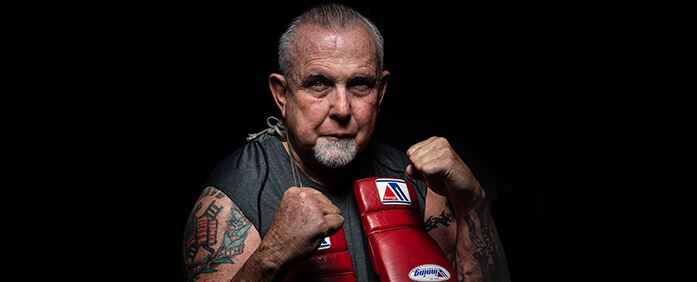
 Returning to Boxing After Surgery Knee, Sports Medicine
"Procedure: Right Total Knee Arthroplasty When Brad retired nearly 20 years ago at age ..."
Read More -
Back to Extreme Surfing Hip, Sports Medicine
"Procedure: Anterior Approach Left Hip Arthroplasty A love for extreme sports and ..."
Read More -
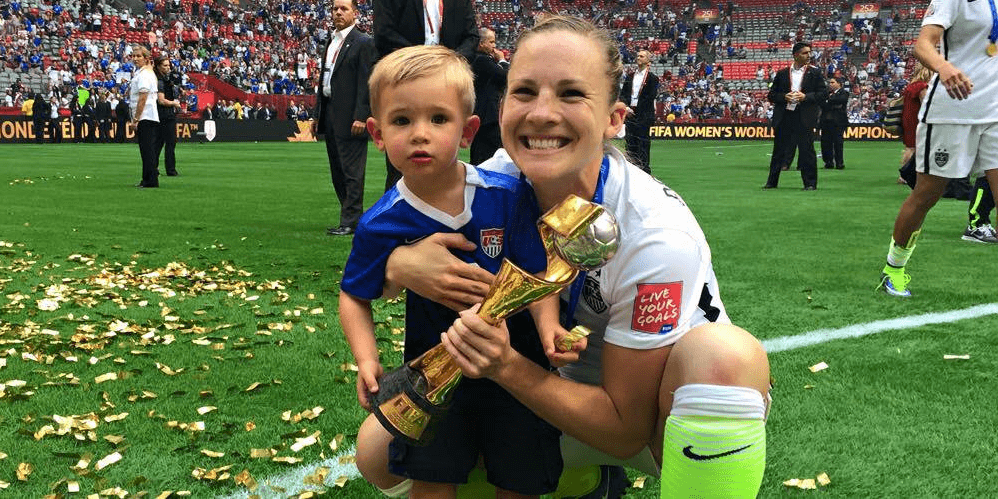
Back on the Soccer Field Sports Medicine
"She knew the seriousness of the injury the second she heard the loud, high-pitched ..."
Read More -
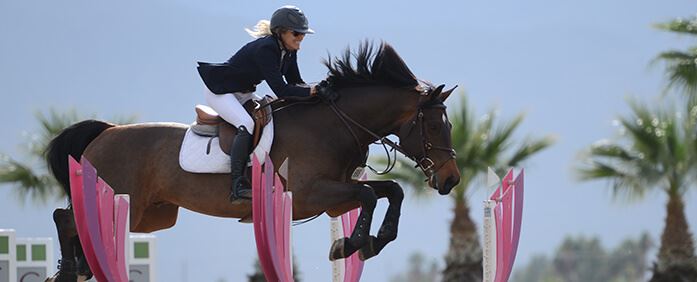
Back to Show Jumping Hand & Wrist, Sports Medicine
"Procedure: Repair of fractured left wrist It’s been eight months since Justine flew ..."
Read More -
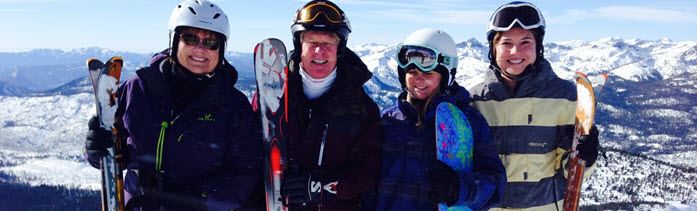
Back to Skiing Knee, Sports Medicine
"Procedure: Simultaneous Bilateral Total Knee Arthroplasty (SBTKA) – October 2016 ..."
Read More -
Running Again After Spine Surgery Spine & Neck, Sports Medicine
"“I can’t believe I’m walking, let alone running,” says car crash survivor, seven-time ..."
Read More -
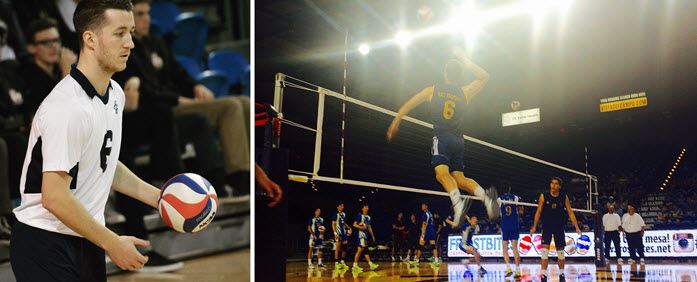
Back to Volleyball Hand & Wrist, Sports Medicine
"Procedure: Fractured Left Index Finger Repair: December 2017 “Coach, I think I broke ..."
Read More -
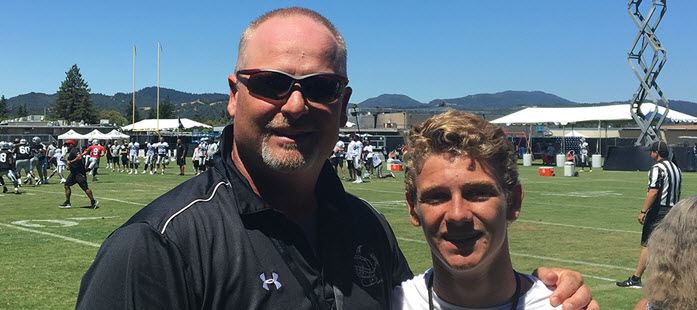
Playing Football After Wrist Fracture Hand & Wrist, Sports Medicine
"Procedure: Closed reduction, right wrist (February 2018) Scholar athlete Joey Hobert ..."
Read More -
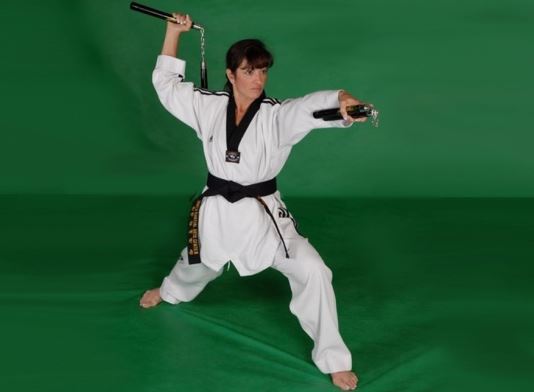
Back to Taekwondo Sports Medicine
"Rita Grahovec of Yorba Linda signed up for martial arts classes to share something in ..."
Read More -
Back to Soccer Sports Medicine
"Michael Wolitski, 21, has played soccer since he was a 3-year-old and had high ..."
Read More