

Knee Bursitis
Knee bursitis is a common cause of localized swelling around the knee. You may notice a soft, swollen area near the kneecap that is often warm or tender to the touch, and especially painful when kneeling, climbing stairs, or squatting, depending upon the location of the inflammation.
At Hoag Orthopedic Institute, our board-certified and fellowship-trained knee specialists provide personalized care for knee bursitis. In most cases, patients experience reduced swelling and pain relief without surgery.

When To See a Doctor for Knee Bursitis
You need to see a doctor for knee bursitis if:
- Swelling does not improve with rest
- Pain interferes with walking, kneeling, or daily activities
- Symptoms that continue beyond a few weeks
- Swelling worsens, or movement is limited
Seek prompt care if you notice signs of infection, including:
Frequently Asked Questions
-
At your first visit, you’ll meet with a board-certified, fellowship-trained orthopedic knee specialist who will take time to understand your symptoms, concerns, and goals. Your appointment begins with a detailed review of your medical history and any imaging or test results you’ve had. Your knee doctor will perform a focused physical exam to evaluate your joint's stability, range of motion, and any areas of pain or swelling.
If more information is needed, your knee doctor may arrange additional diagnostic tests, including X-rays or an MRI. Then you'll discuss the likely causes of your symptoms and review both non-surgical and surgical treatment options. Before you leave, your specialist will outline a personalized plan for next steps, ensuring you feel informed and supported from day one.
-
At Hoag Orthopedic Institute, we're pleased to connect you with our award-winning team of knee specialists to fully discuss your condition and chart a treatment path.
To schedule your appointment, please call (949) 890-0464. or complete this secure request form.
We’ll connect you with the orthopedic knee doctor best suited to your needs and can help arrange any imaging or medical records before your visit.
-
Hoag Orthopedic Institute’s knee specialists treat a wide range of conditions, from sports injuries such as meniscus or cartilage damage to complex ligament tears, fractures, and advanced arthritis. Your non-surgical treatment options may include individualized physical therapy, bracing for added stability, or image-guided injections to reduce inflammation and ease pain. In many cases, a conservative approach can often restore mobility, delay, or even avoid the need for surgery.
When surgery offers the best long-term results, our orthopedic knee surgeons perform procedures including arthroscopic ligament repair, cartilage restoration, partial knee replacement, and total knee replacement. If knee replacement is necessary, rest assured that HOI’s fellowship trained knee surgeons lead the Western United States in joint replacement surgeries, translating into better outcomes for our patients.
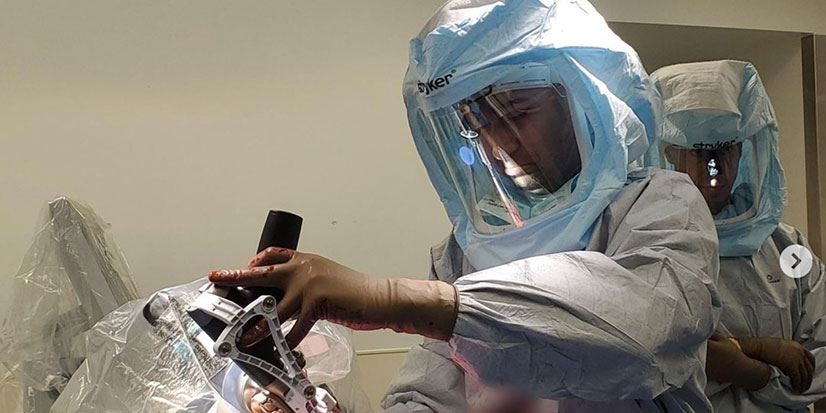
Many of our knee surgeons use advanced robotic-assisted systems that help protect surrounding healthy tissue, provide exceptional surgical accuracy, and ensure optimal alignment for each patient’s unique anatomy. Our knee doctors design every treatment plan to reduce pain, restore movement, and support lasting knee health.
-
At Hoag Orthopedic Institute, our board-certified, fellowship-trained knee doctors, orthopedic surgeons, and physical therapists provide advanced care for a full spectrum of knee injuries and conditions. Our qualified knee specialists offer both surgical and non-surgical solutions tailored to each patient. Highly effective non-surgical knee treatment may include personalized physical therapy, bracing, or targeted injections to relieve pain and improve mobility.
When surgery is the most effective path forward, our orthopedic knee surgeons use cutting-edge robotic-assisted systems, ensuring exceptional precision, personalized implant alignment, and minimal disruption to surrounding tissues. Our team uses the latest surgical techniques, robotic surgery and other innovative surgical approaches, to give patients a 5-star experience, getting them back to what they love faster. From diagnosis through rehabilitation, you’ll work with a dedicated team of experienced knee specialists focused on your comfort, safety, and long-term knee health.
Let’s help you return to the activities you love with confidence.


.2510151138550.jpg)