

Shoulder Bursitis
Shoulder bursitis is a common cause of persistent shoulder pain, tenderness, and stiffness. It makes lifting your arm, reaching overhead, or even sleeping on the affected side uncomfortable and can interfere with daily activities. Most cases of shoulder bursitis resolve without surgery but it’s still important to seek care of a dedicated shoulder specialist, like those at Hoag Orthopedic Institute, who can diagnose and treat the most complex of shoulder conditions.
Hoag Orthopedic Institute provides comprehensive diagnosis and treatment options for patients with shoulder pain.

When Should You See a Medical Provider for Shoulder Bursitis?
Don't let shoulder bursitis symptoms limit your activities. If shoulder pain persists, worsens, limits your range of motion, interferes with sleep, or makes everyday activities difficult, seek medical attention. Prompt evaluation is critical if your symptoms follow a sudden injury or do not improve with conservative care.
The board-certified and fellowship-trained shoulder specialists at Hoag Orthopedic Institute provide expert diagnosis and personalized treatment for shoulder bursitis and other shoulder conditions, helping relieve pain, restore mobility, and get you back to you.
Frequently Asked Questions
-
At your first visit, you’ll meet with a board-certified, fellowship-trained orthopedic shoulder specialist who will take time to understand the symptoms you have, as well as your concerns and goals. Your appointment will begin with a thorough review of your medical history and any relevant imaging or test results you have. Your shoulder doctor will perform a focused physical exam to assess your joint stability, range of motion, and areas of pain or weakness.
If additional information is needed, tests such as X-rays, an ultrasound, or an MRI can be arranged on-site. You’ll then discuss the most likely causes of your symptoms and consider both non-surgical and surgical treatment options. Before you leave, your shoulder specialist will outline a personalized plan for the next steps, so you are informed and feel supported and confident in your care.
-
To schedule your consultation with an experienced shoulder doctor at Hoag Orthopedic Institute, call (949) 890-0464 or complete our secure online request form. We’ll connect you with the orthopedic shoulder specialist best suited to your needs and help arrange any imaging or records in advance, so you can quickly access the latest diagnostic tools and treatment options.
-
Our award-winning team of orthopedic shoulder doctors offers a full spectrum of treatments to address everything from minor strains to complex joint damage. Our non-surgical care may include targeted physical therapy to restore strength and mobility, bracing for added stability, and image-guided injections to reduce inflammation and relieve pain.
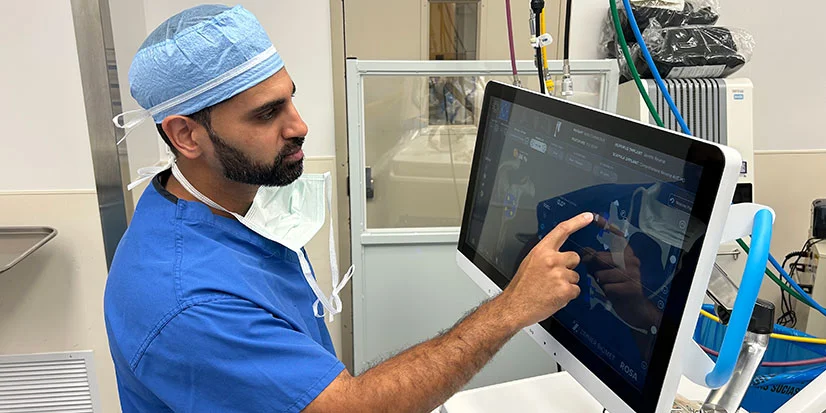
When surgery is your most effective option, our shoulder surgeons perform procedures such as arthroscopic rotator cuff repair, labral repair, fracture fixation, and total or reverse shoulder replacement. Many of these surgeries incorporate advanced robotic-assisted technology, allowing for precise implant positioning, secure joint reconstruction, and improved functional outcomes.
We tailor your treatment plan to your specific condition and goals, helping you heal, regain strength, and return to the activities that matter most to you.
-
At Hoag Orthopedic Institute, our team of board-certified, fellowship-trained shoulder doctors and orthopedic shoulder surgeons brings world-class expertise to diagnosing and treating your injury or condition. Our shoulder specialists use advanced treatment options, ranging from conservative therapies to highly complex shoulder surgery performed with minimally invasive and robotic-assisted techniques, including reverse shoulder arthroplasty. Using robotic technology, our shoulder surgeons perform highly accurate implant placement and stable joint reconstruction, while better protecting surrounding tissue, improving function, and promoting a smoother recovery.
Whether you’re suffering from a sports injury, degenerative arthritis, or a complex rotator cuff tear, we personalize your care to your specific needs and goals. Our orthopedic shoulder specialists apply leading-edge techniques with one clear purpose—to help you move comfortably again and return to the activities you enjoy.
Press Releases
-
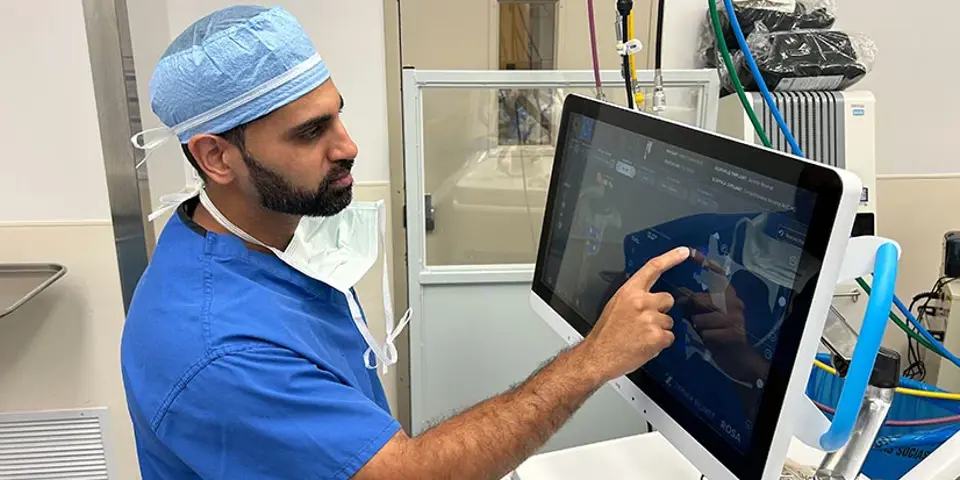 Surgeon Performs First ROSA® Shoulder Replacement ...
 -
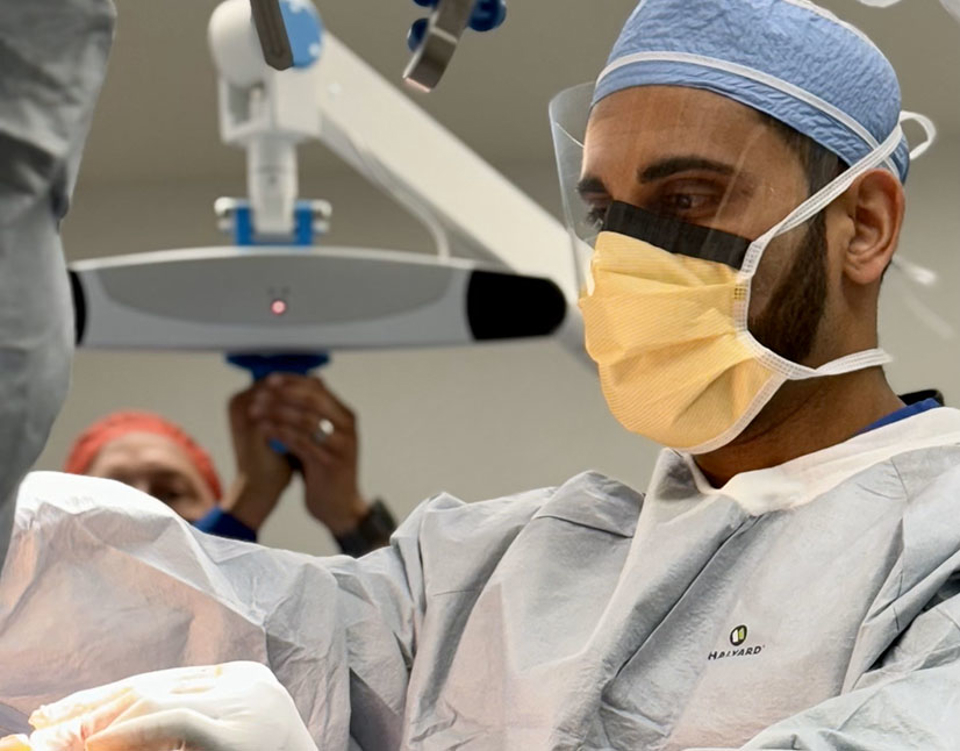 New Study Concludes Outpatient Shoulder ...
 -
 Study Links Shoulder Surgical Volume and ...
 -
 HOI Earns CMS Five-Star Rating for Patient Experie ...
 -
 Dr. Grumet Speaks with KTLA About Baseball Injury ...
 -
Preoperative Anxiety Does Not Increase Opioid Use ...
-
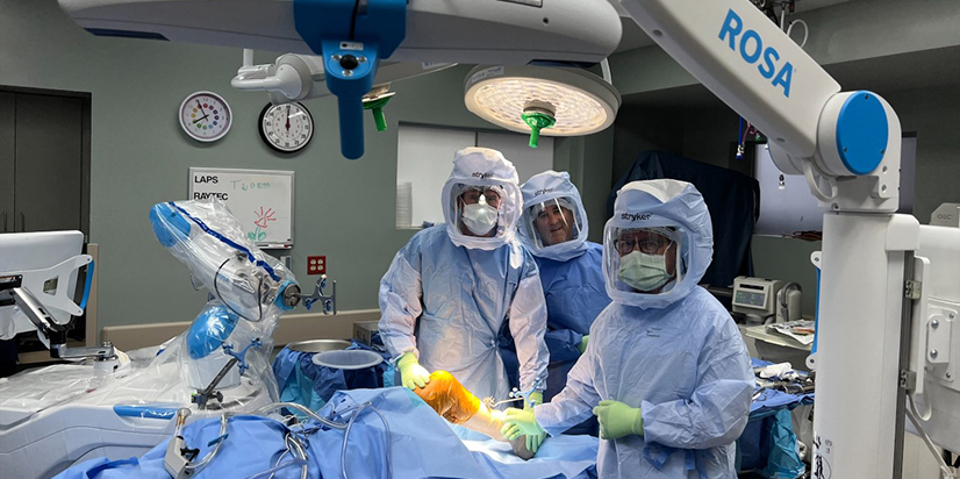 HOI Reaches 1,500 Robotic Surgery Milestone
 -
Dr. Kassam Receives the Nation’s Highest Award for ...
-
Study Shows that Shoulder Injuries Sideline MMA Fi ...
-
HOI Named One of America’s Best Hospitals for ...