Five Steps to Discover the Power of Nutrition

Hoag Orthopedic Institute Dietitian Shares Tips for National Nutrition Month
March is National Nutrition Month® (NNM) and it is an annual nutrition education campaign created by the Academy of Nutrition and Dietetics. The campaign invites the community to focus on the importance of making informed food choices and developing healthy eating and physical activity habits. This year’s theme is “Discover the Power of Nutrition” and supports the philosophy that food and nutrition have the power to help individuals and communities thrive. What you eat and drink can help power your day and have a powerful impact on your long-term health.
Five Steps to Help Discover the Power of Nutrition:
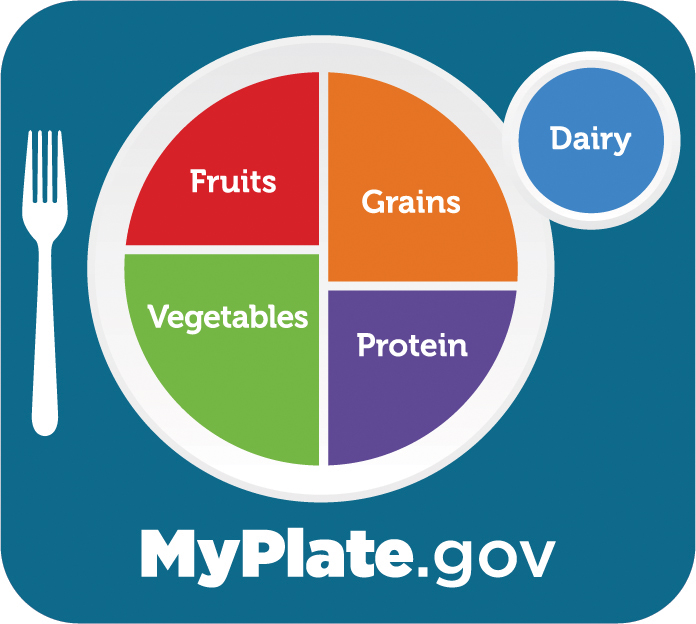
- Focus on healthy eating patterns. A healthy eating pattern can aid in reducing the risk of diet related chronic disease, such as heart disease, type 2 diabetes, and certain types of cancer. Aim to include the food groups below onto your plate.
- Vegetables
- Fruits
- Whole grains
- Lean Protein foods
- Low-fat or fat-free dairy or fortified dairy alternatives
- Limit saturated fat, sodium, and added sugar
- Choose variety. Including a variety of foods within each food group to help you obtain the nutrients you need.
- Fruits and vegetables provide essential vitamins, minerals, fiber, and antioxidants that support overall health. Aim to make half of your plate with fruits and vegetables. Starchy vegetables like peas can also be included in a healthy eating pattern as they contain important nutrients too. One way I like to enjoy my vegetables is on pizza. Follow the link for a recipe suggestion that is quick and easy to make at home: Stovetop Vegetarian Tortilla Pizza
- Stay nourished on limited budgets. Resources can be a big obstacle when it comes to purchasing healthy food. Start by having a grocery list and stick to purchasing food on that list. Look at the grocery store’s sales to help you plan your meals. It’s important to highlight that recipes can be modified to use less expensive ingredients. For example, you can substitute frozen vegetables for fresh in recipes, and/or you can replace some or all the meat and/or poultry in soups with fiber and protein packed beans to save on cost without losing on nutrients.
- Find advice backed by science. Boost your confidence in your food choices with accurate sources of information to guide you. From mainstream media to social media, nutrition news is everywhere, but such a constant flood of information can make it difficult for the population to distinguish reliable research from weak studies and exaggerated headlines. That is why a Registered Dietitian Nutritionist (RDN) can help you personalize the nutritional information to meet your health goals.
- Feel good with healthy habits. There are a variety of things you can do to create healthy habits.
- Be physically active. Aim to get in 150 minutes or more moderate-intensity physical activity each week, however anytime and amount of physical activity is better than none.
- Limit caffeine and alcohol.
- Plan meals and snacks in advance to meet your nutrition goals and manage mealtime stress.
The bottom line is that small nutrition changes add up. Small, consistent habits such as eating more plant-based foods, staying hydrated, cooking at home, trying new foods can have a POWERFUL impact on long-term health.
Come join Registered Dietitian Nutritionist (RDN) community in celebrating National Nutrition Month.
RDNs are the food and nutrition experts who can help you thrive through the transformative power of food and nutrition. RDNs provide preventive and medical nutrition therapy (MNT) and play a critical role in helping people understand the connection between the foods individuals and communities eat, and how these foods impact health throughout life.
Happy National Nutrition Month!
Blog written by: Reema Kanda, RDN, Registered Dietitian Nutritionist at Hoag Orthopedic Institute, Irvine CA.